Restaurant and Kitchen
Epoxy Floors in
Charlotte, NC
NSF-compliant seamless epoxy flooring for commercial kitchens and restaurants. Grease and chemical resistant, anti-slip, cove base included. Built to pass health inspections and handle daily commercial kitchen abuse.
The Hygienic Choice for Commercial Kitchens
Commercial kitchen floors face conditions no residential floor ever will: constant grease exposure, daily chemical cleaning, steam, temperature swings, and heavy foot traffic from non-slip footwear dragging grit across the surface.
A seamless epoxy system handles all of it. No grout lines. No joints. No right-angle corners where grease accumulates and bacteria breed. Just a continuous, sealed, impervious surface that cleans in minutes and passes health inspections.
We install kitchen epoxy across Charlotte — from independent restaurants and food trucks with commissary kitchens to multi-unit franchise operators and hotel food service. The spec is the same regardless of size: seamless, coved, anti-slip, NSF-compliant.
NSF-compliant systems
We install epoxy systems that meet NSF/ANSI 61 standards for food-contact environments. Used in commercial kitchens, food prep areas, and walk-in coolers.
Seamless surface
No grout lines or joints where grease, bacteria, and moisture accumulate. A seamless epoxy floor is the hygienic choice for commercial kitchens.
Cove base included
A 4" curved cove base at the wall-to-floor junction eliminates the right-angle gap that traps debris. Standard on all kitchen installs.
Grease & chemical resistant
Our kitchen systems resist cooking grease, cleaning chemicals, sanitisers, and acidic food spills — the daily reality of a commercial kitchen floor.
Anti-slip aggregate
Aluminium oxide grit is broadcast into the topcoat on all kitchen floors. Provides meaningful traction even when the floor is wet with water or grease.
Health inspection ready
A sealed, seamless, coved epoxy floor consistently performs well in NC health department inspections. We provide documentation of the system installed.
How We Install Kitchen Epoxy
Grease contamination in the slab is the biggest challenge in kitchen installs. Here's how we handle it.
Site Assessment
We visit the kitchen, assess the existing floor, check for grease penetration into the slab, and confirm the required finish spec. Restaurant kitchens have unique contamination challenges — we identify them before we start.
Grease Removal & Surface Prep
Commercial kitchen slabs often have years of grease penetration. We remove surface contamination with industrial degreaser, then diamond grind to remove the contaminated layer and expose clean concrete.
Cove Base Installation
The 4" cove base is formed at the wall-to-floor junction using epoxy mortar, creating the curved sanitary junction required in commercial food-service environments.
Epoxy System Application
Moisture-tolerant primer, epoxy base coat, and chemical-resistant topcoat applied in sequence. Anti-slip aluminium oxide is broadcast into the topcoat before it cures.
Return to Service
Standard systems require 24–48 hours before returning to kitchen service. Fast-cure polyaspartic systems can be returned to service in 12–18 hours — critical for kitchens that can't afford extended downtime.
What Our Restaurant Clients Say
“Our kitchen passed the next health inspection with the inspector commenting positively on the floor. Seamless, coved, easy to clean — exactly what we needed.”
“Three restaurants in the Charlotte area and we use Charlotte Epoxy Pro for all of them. The kitchen floors hold up perfectly through high-volume service and daily cleaning.”
“They worked through the night to finish our kitchen during our Monday closure. Back in service Tuesday morning with a floor that looks brand new. Incredible.”
Real Floors. Real Work.
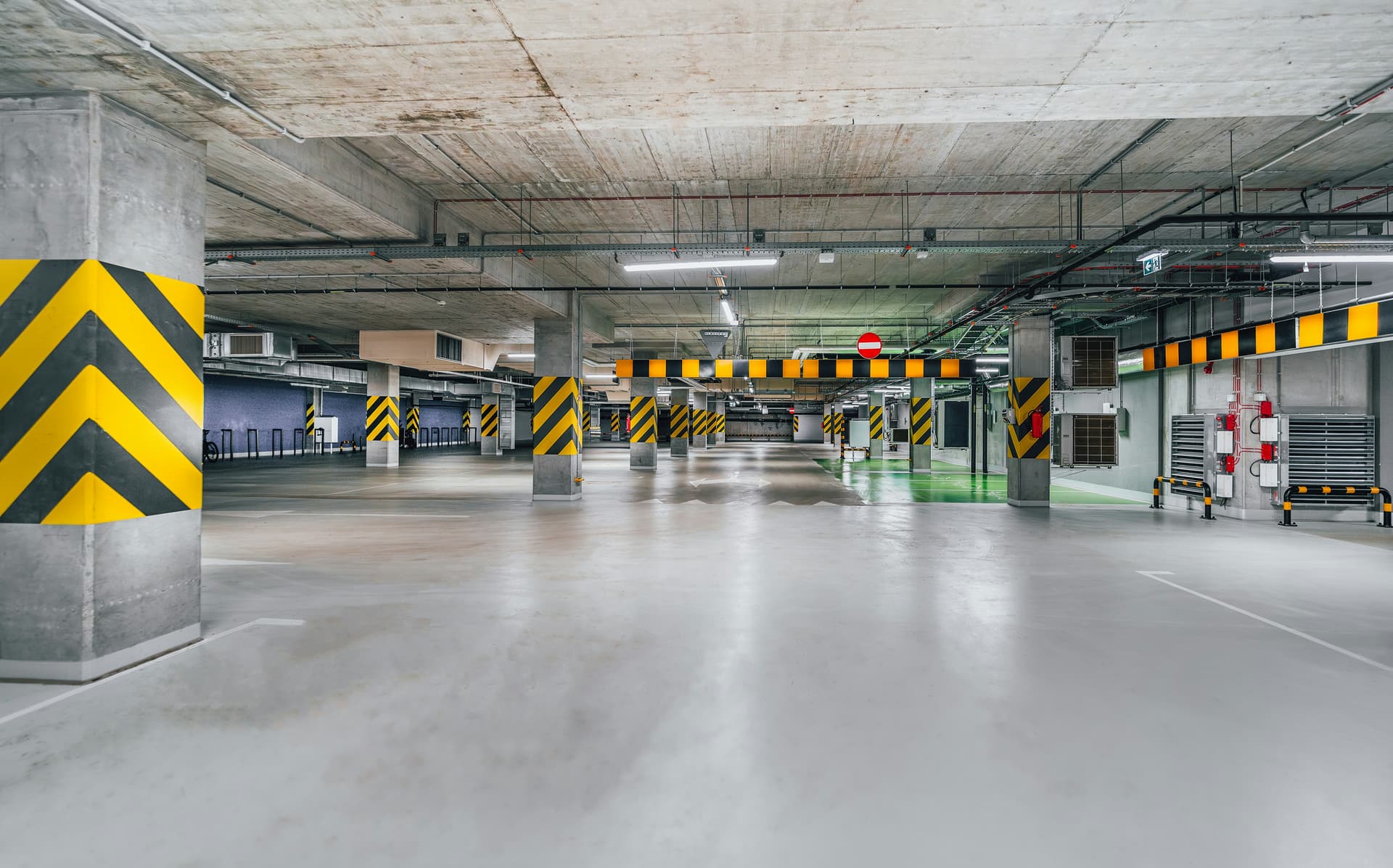
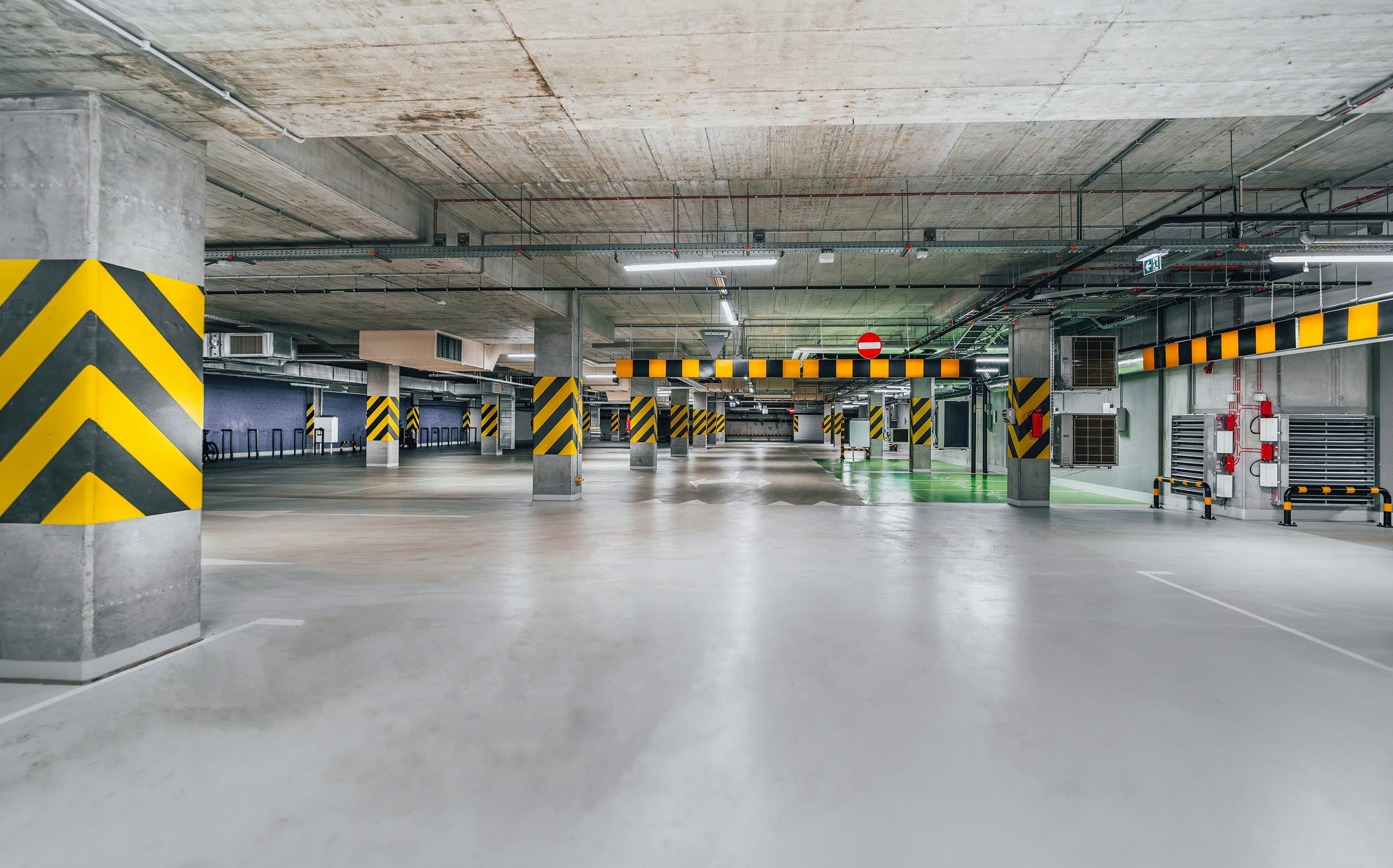
Commercial parking structure — sealed grey epoxy with chevron safety markings
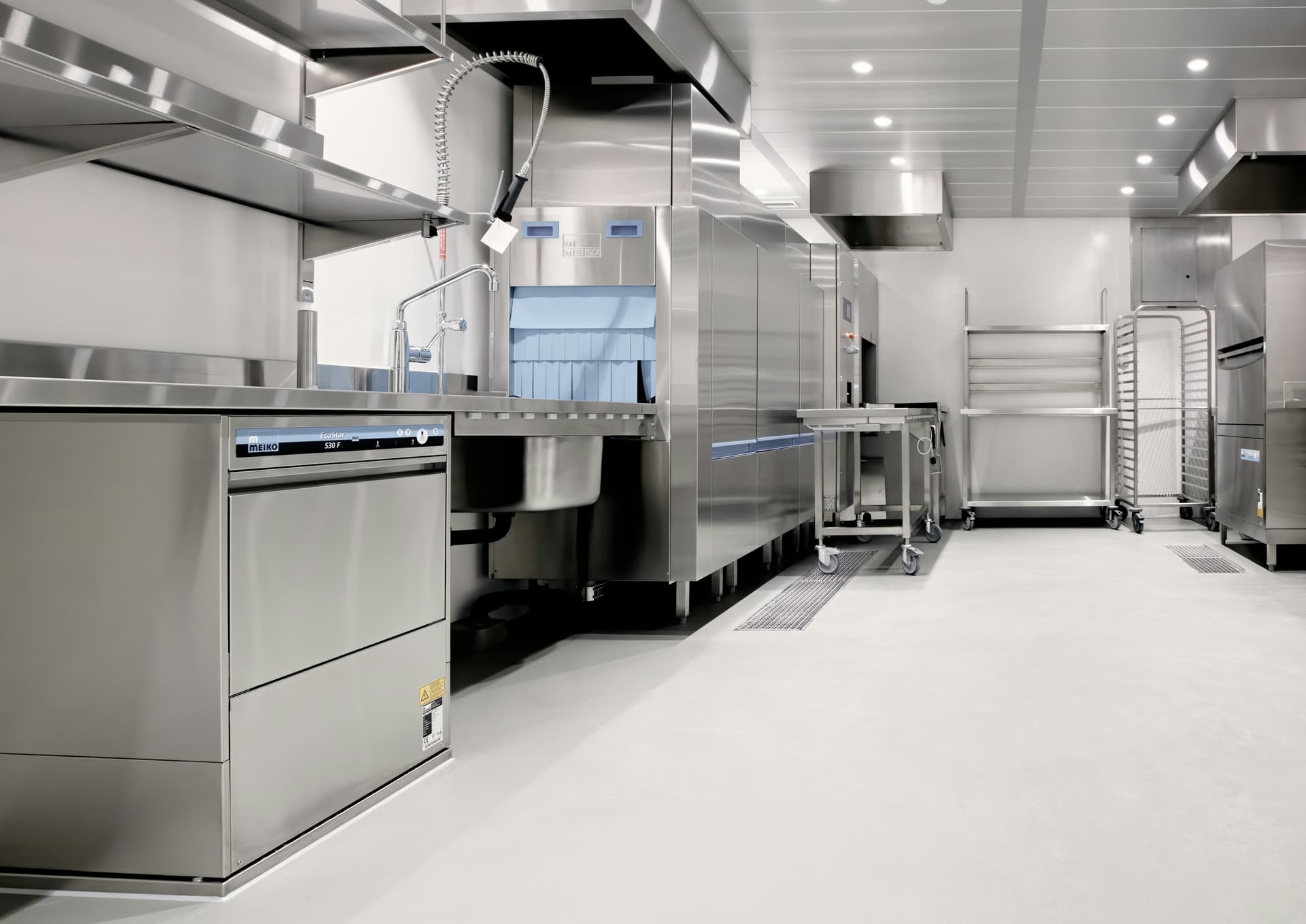
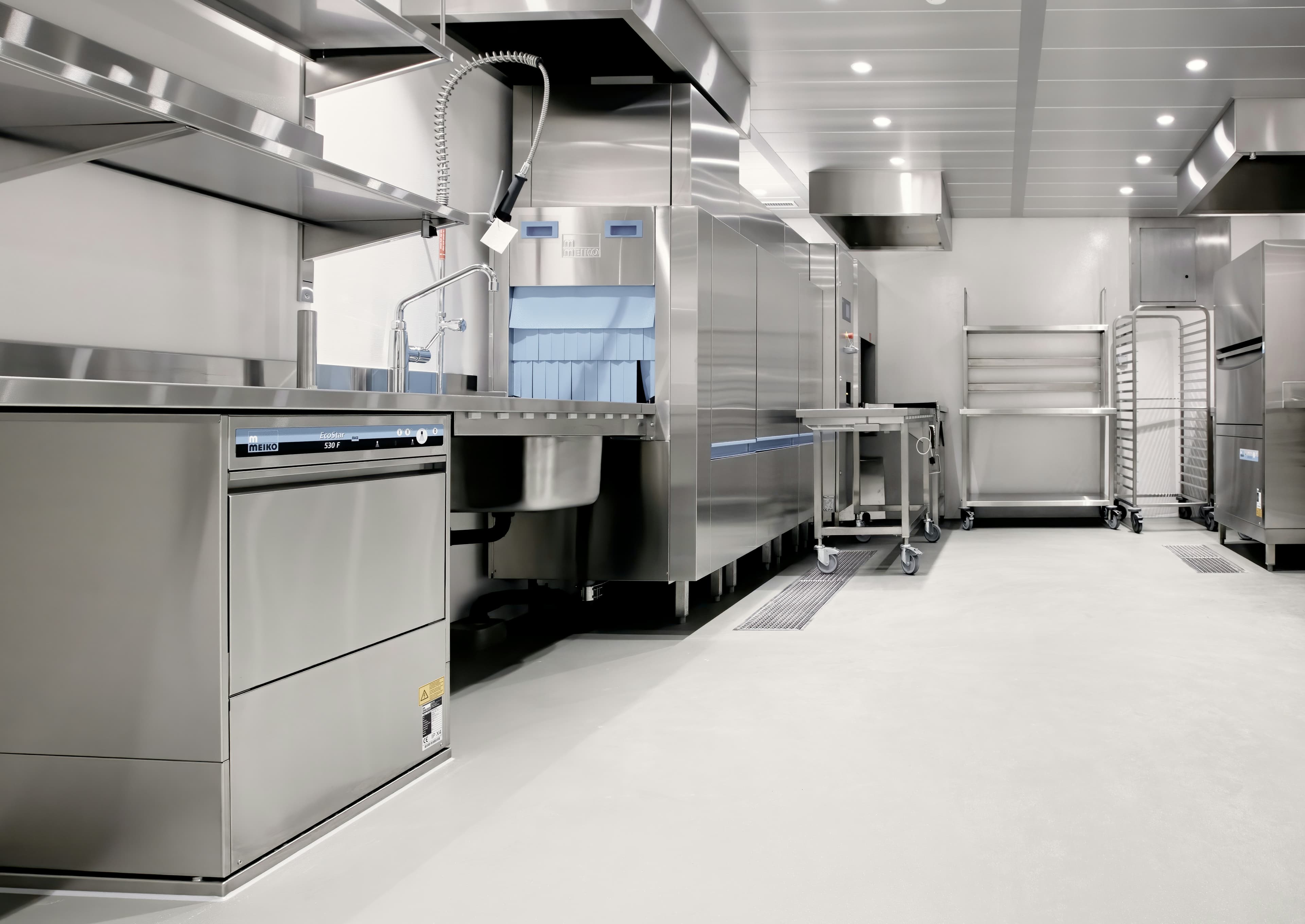
Professional kitchen with seamless grey epoxy floor coating
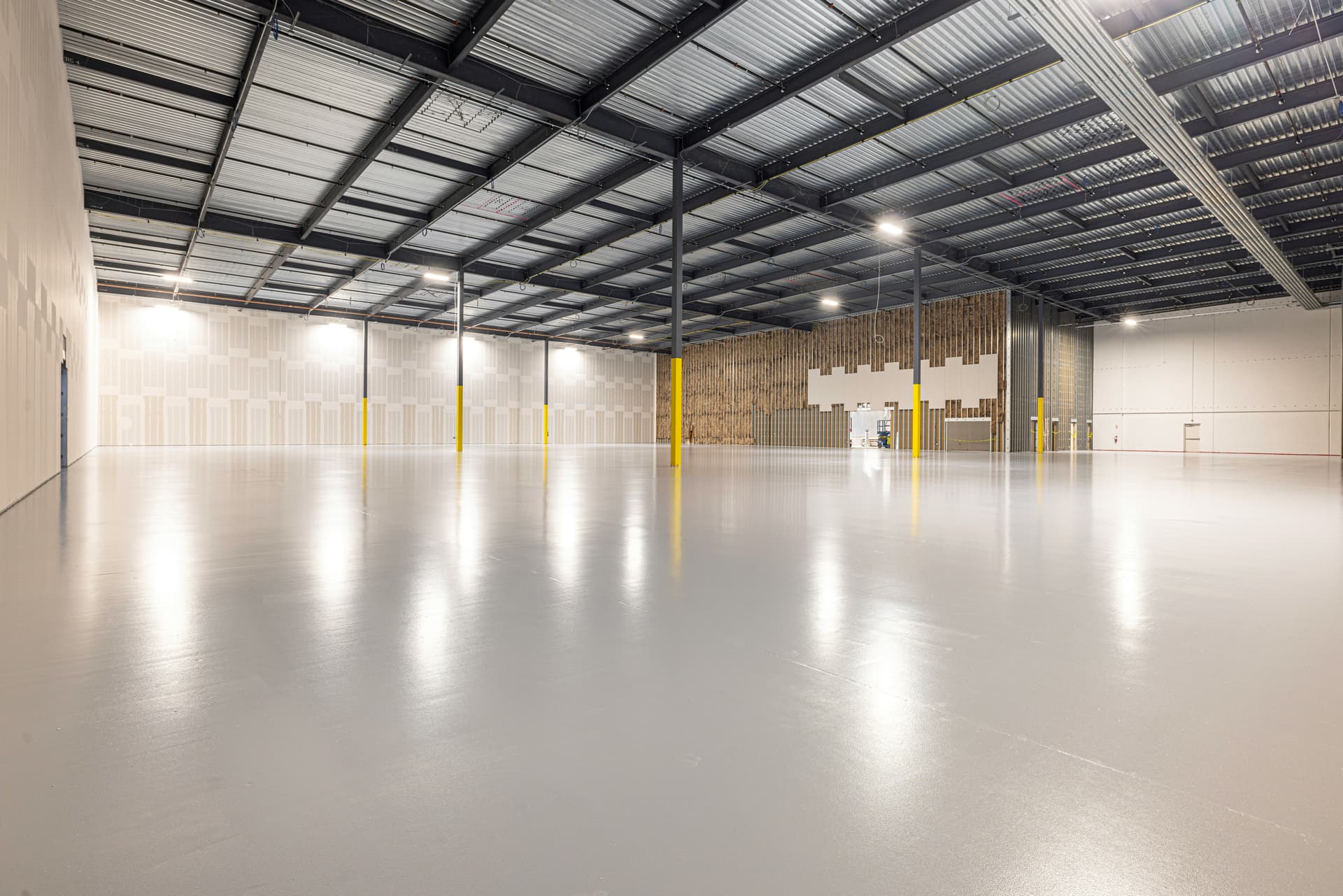
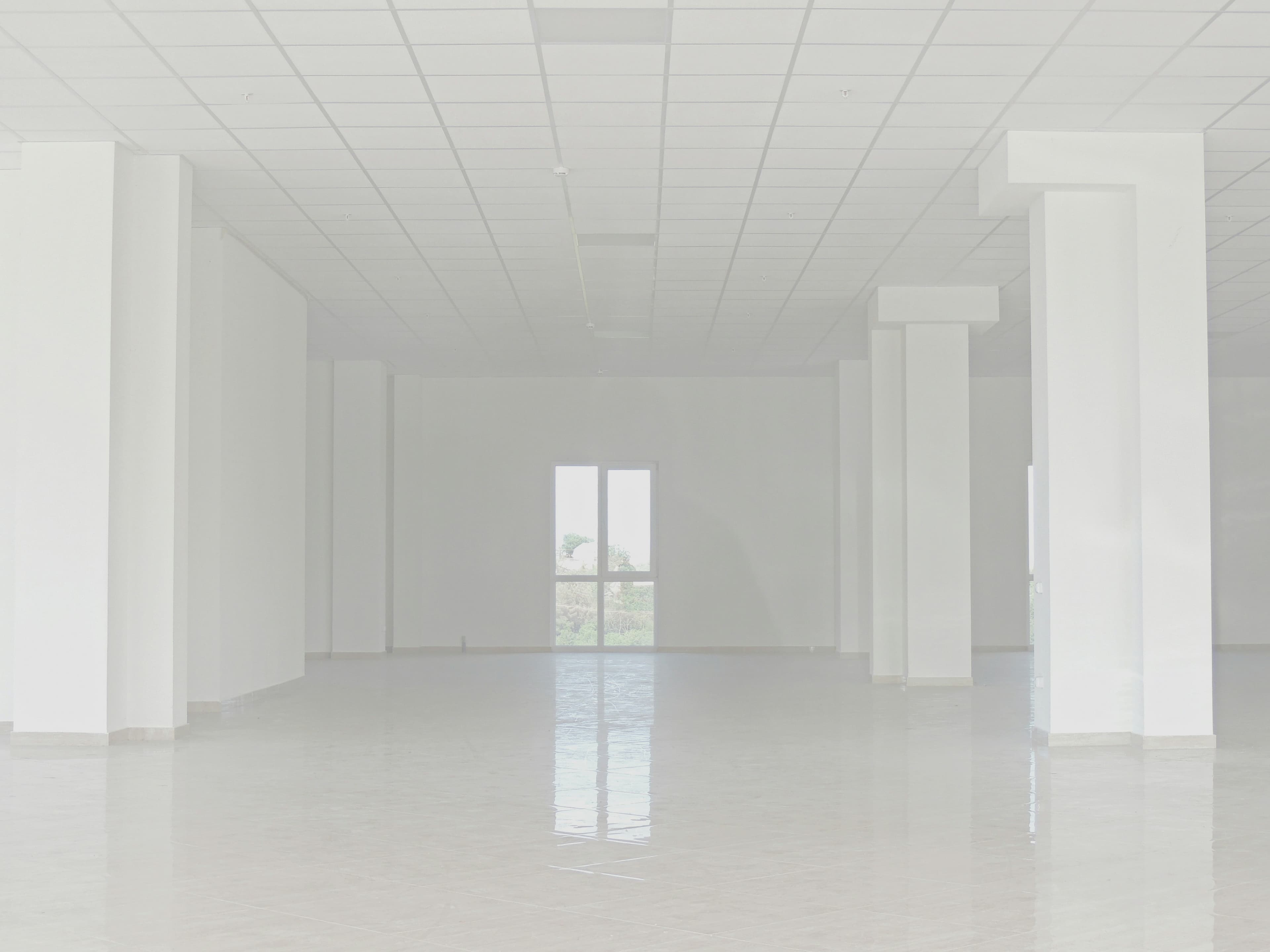
Industrial warehouse — bright white polyaspartic epoxy floor
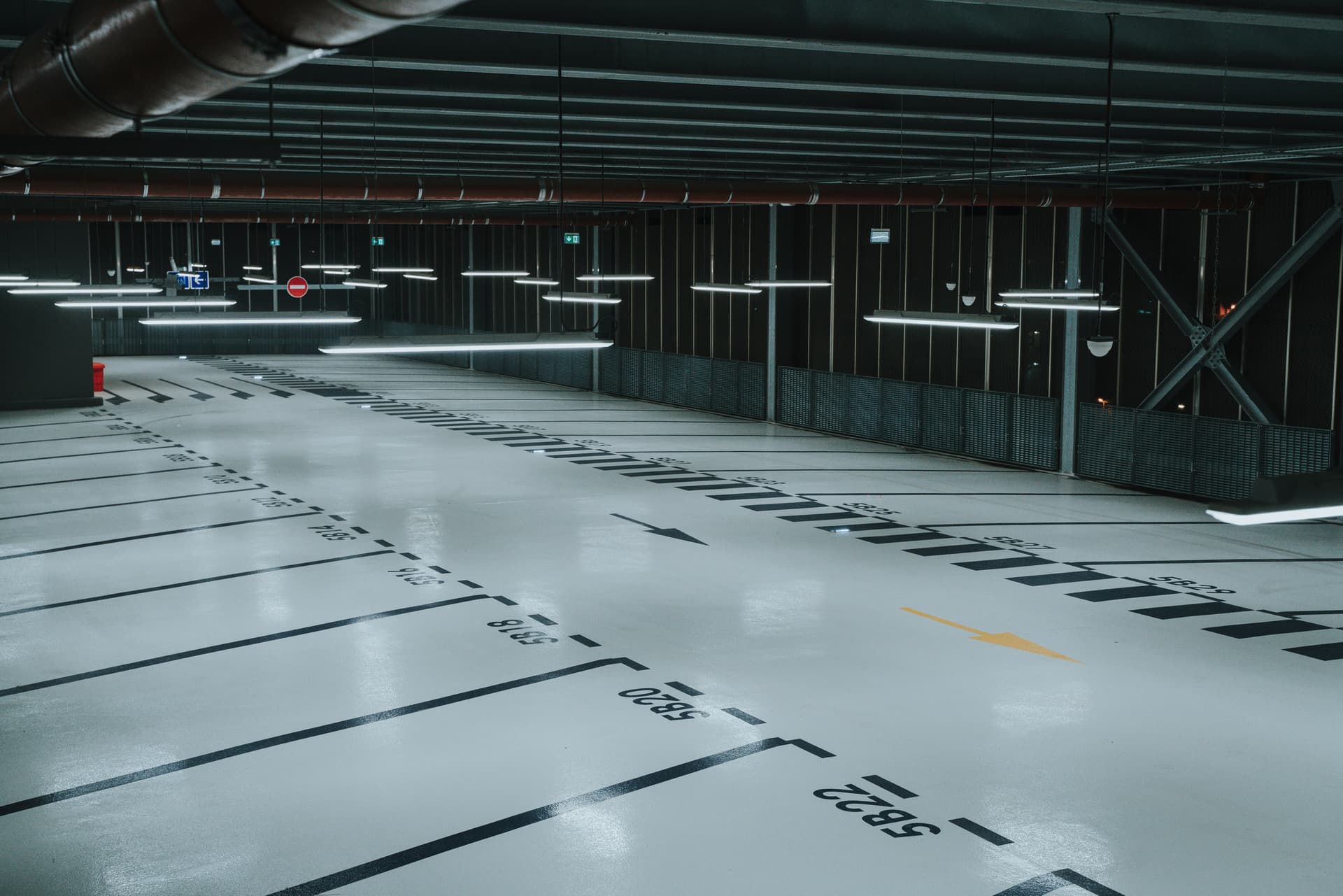
Parking structure with grey epoxy and dramatic pendant lighting
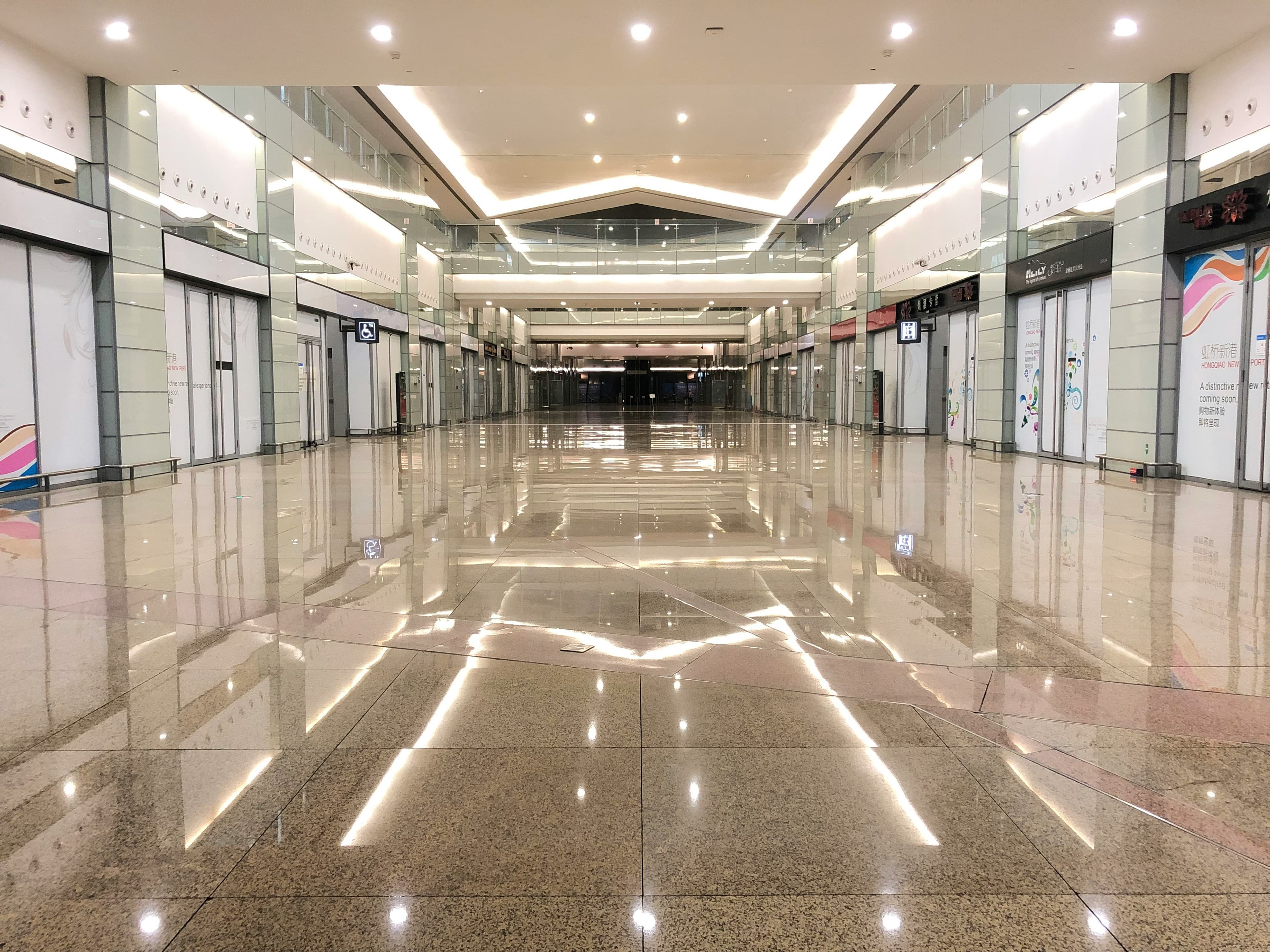
Large commercial space with highly polished epoxy floor
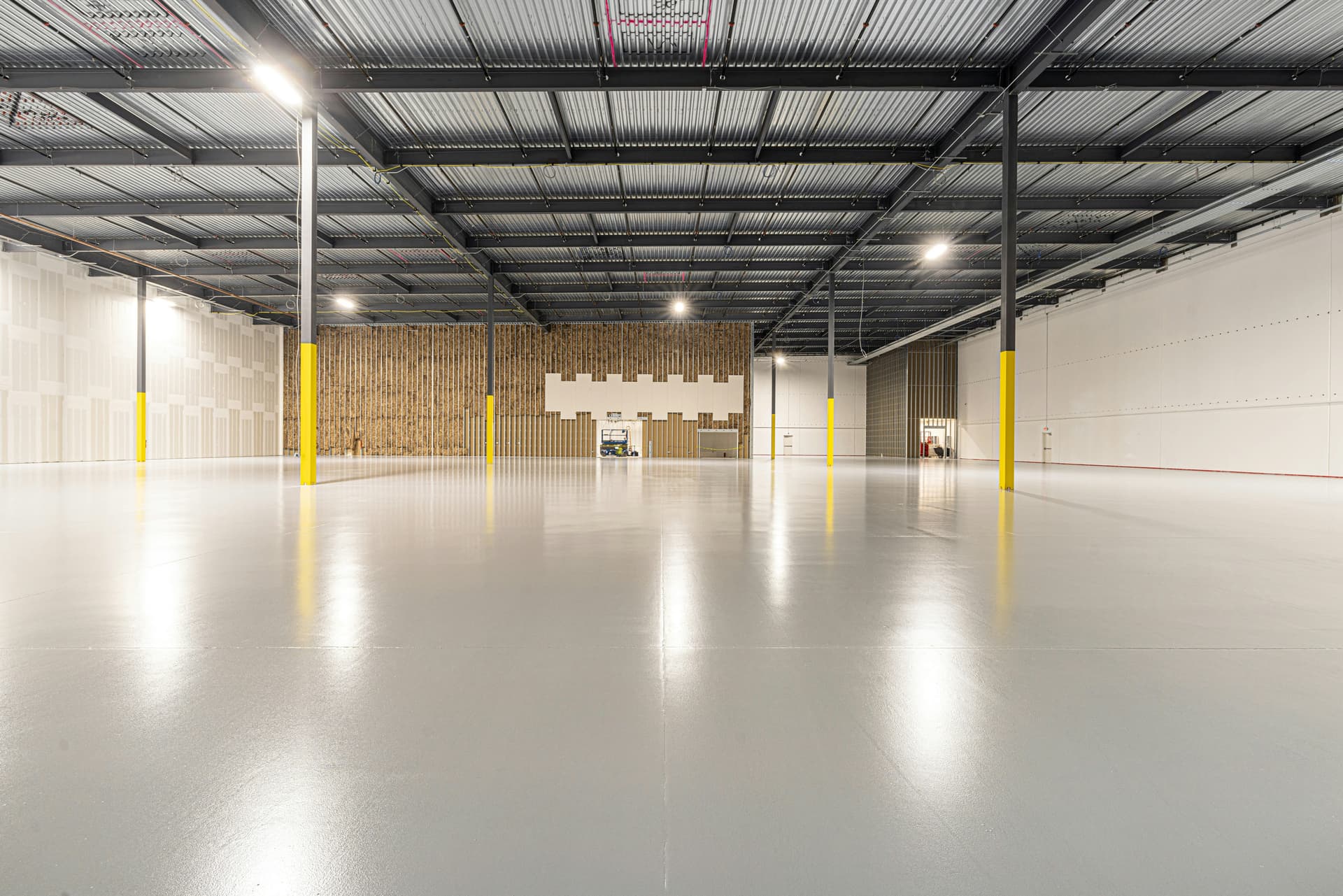
Distribution centre with seamless grey polyaspartic floor system
Common Questions
Have a kitchen project in mind? Call us — we'll walk you through the options and schedule a site visit.
How much does restaurant kitchen epoxy flooring cost in Charlotte?
Restaurant and commercial kitchen epoxy floors in Charlotte typically run $4–$7 per square foot installed, including cove base. The premium over standard commercial epoxy reflects the grease removal prep, cove base labour, and anti-slip aggregate. A 500 sq ft kitchen typically runs $2,000–$3,500.
How long does installation take for a commercial kitchen?
Most commercial kitchen floors (200–800 sq ft) are completed in 1–2 days. Larger kitchens take 2–3 days. We coordinate with your management team to schedule during your lowest-traffic window — typically a Monday closure or overnight install. Fast-cure polyaspartic systems can significantly compress the timeline.
Do restaurant epoxy floors pass health inspections?
Yes — a properly installed seamless epoxy system with cove base consistently performs well in NC Department of Health and Human Services restaurant inspections. The inspector wants to see a sealed, cleanable, impervious surface with no right-angle wall-to-floor joints. Our system delivers exactly that. We provide documentation of the system installed.
Can you install epoxy over existing kitchen tile?
Generally no. Kitchen tile — especially grout — is a poor substrate for epoxy adhesion, and grease penetration into grout is virtually impossible to remove fully. We recommend removing the tile, assessing the slab underneath, and installing epoxy directly over concrete. This adds cost but produces a far more durable and hygienic result.
Is epoxy safe for food preparation areas?
Yes. Our kitchen epoxy systems meet NSF/ANSI 61 standards for incidental food contact. Once fully cured, the surface is inert and non-leaching. We use low-VOC formulations where applicable, and curing is complete before the kitchen returns to service.
What about dining room floors — can you do those too?
Yes. We regularly coat both the back-of-house kitchen and front-of-house dining areas in a single project. Dining rooms typically get a decorative epoxy or polished concrete system — different spec from the kitchen, but coordinated in the same schedule to minimise total downtime.
Ready to Upgrade Your
Kitchen Floor?
Free on-site estimate and written proposal. We schedule around your kitchen's closure window to minimise downtime.