Concrete Repair and
Resurfacing in
Charlotte, NC
The Prep Work That Determines Whether a Floor Lasts 2 Years or 20.
The most common reason epoxy floors fail in Charlotte isn't the coating — it's inadequate surface preparation. Cracks left unfilled spread. Spalled concrete prevents coating adhesion. Moisture-compromised slabs cause delamination from below. Charlotte Epoxy Pro addresses concrete repair and resurfacing as the first step on every project — not an optional add-on. Here's what we fix, how we fix it, and why it determines everything about how long your floor lasts.
Common Concrete Problems in Charlotte
Cracks
Hairline cracks are normal in Charlotte concrete — thermal expansion and the clay-heavy NC soil that shifts seasonally cause cracking in most garage slabs over time. Surface cracks that don't penetrate more than half the slab depth are filled and sealed before coating. Structural cracks that run full depth or show movement require engineering assessment before any cosmetic work.
Spalling
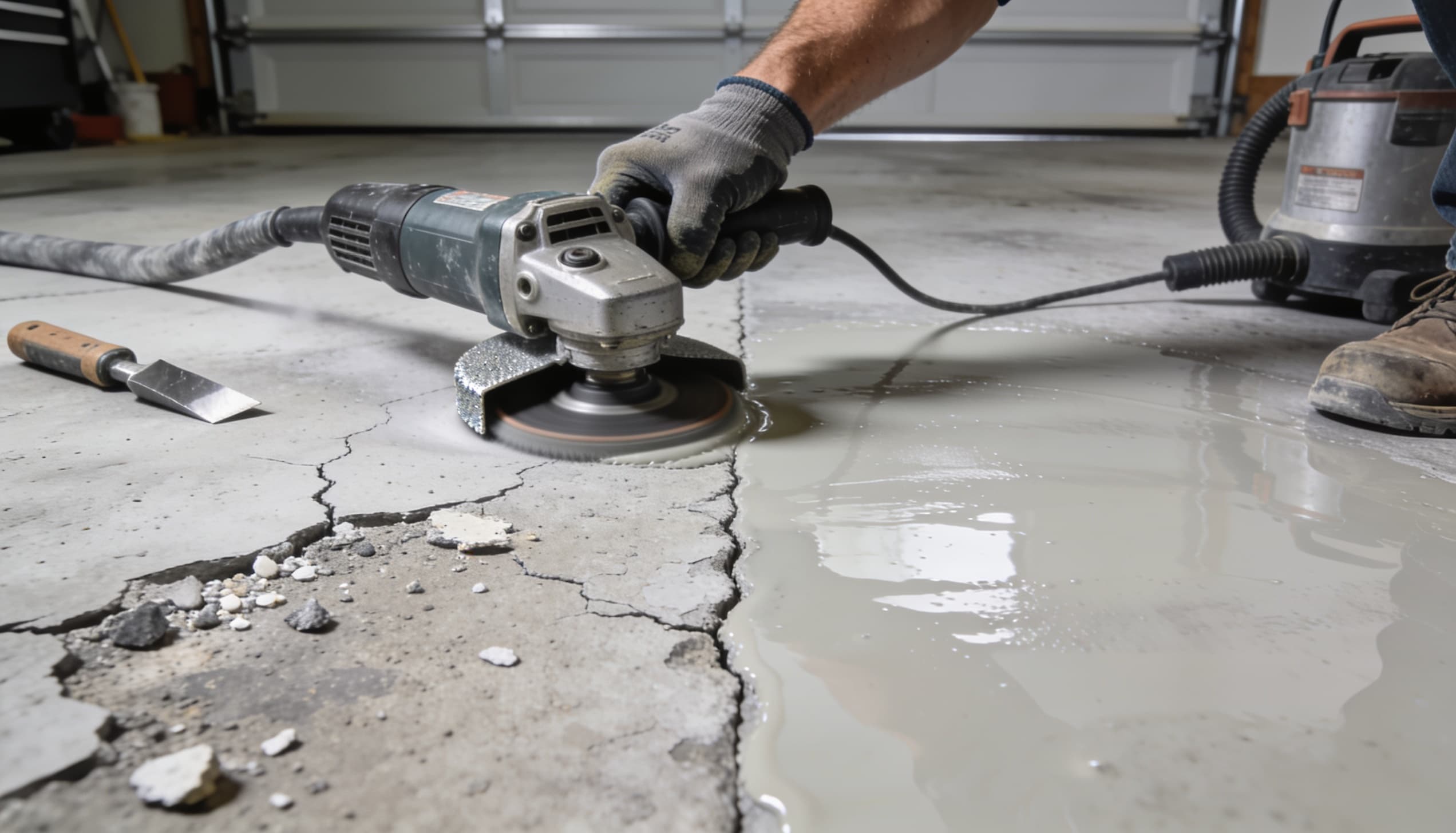
Spalling is surface-layer delamination — concrete flaking off in chunks or layers, leaving a pitted, rough surface. Common causes in Charlotte: freeze-thaw damage on exterior slabs, chemical damage from road salt tracked in from winter roads, and the early stages of moisture vapour pressure from below. Spalled areas are ground back and filled with polymer-modified repair mortar before coating.
Pitting and Surface Deterioration
Surface pitting from de-icers, oil contamination, or aggregate pop-out leaves a surface that won't bond reliably to epoxy. Diamond grinding removes the weak surface layer and exposes fresh concrete below. Where pitting is deep, polymer mortar fills and levels before the grinding pass.
Moisture
Charlotte's clay soil holds moisture, and many garage slabs transmit moisture vapour upward. Bare concrete feels dry but may carry enough moisture vapour pressure to delaminate a coating from below within 12–18 months. We test every slab with a calcium chloride moisture test before specifying a system — no exceptions.
Our Repair and
Resurfacing Process
Slab inspection, crack mapping, moisture test, surface contamination check. Written quote for repair scope before any work is authorized.
Removes the weak surface layer, existing sealers, oil, and contamination. Opens concrete pores for chemical bonding. The most important step — and the one most contractors skip or shortcut with acid etching.
Hairline cracks filled with semi-rigid polyurea filler. Larger cracks routed and filled with epoxy crack filler for rigid repair. Control joints filled or honored depending on coating system.
Spalled areas filled with polymer-modified repair mortar, leveled, and allowed to cure. Ground flush with surrounding concrete before coating application.
Where testing indicates elevated moisture vapour transmission, a moisture-mitigation primer is applied before any decorative system. This is the step most failed epoxy floors are missing.
No surprise charges.At Charlotte Epoxy Pro, concrete repair is not billed as a separate service — it's included in the full project scope quoted at the free estimate. We don't show up, find problems, and add charges after the job starts. Every issue identified during the assessment is quoted before we start.
When Repair is Required Before Coating
Hairline cracks under ¼" wide that don't show movement — fill and proceed with coating. No structural concern.
Active cracks that widen seasonally or show vertical displacement— engineering assessment required before cosmetic work. We flag these during assessment and don't coat over them.
Spalling under 20% of surface area — mortar patch, grind flush, proceed with coating.
Spalling over 20% or full-depth deterioration — concrete resurfacing overlay (micro-topping or self-leveling overlay) before coating. Changes the scope and cost — quoted upfront.
Previous failed coating — remove entirely during diamond grinding. The new coating bonds to clean concrete, not the old system.
“Concrete that looks unsalvageable is almost always coatable with the right prep. We've turned floors homeowners were ready to replace into showroom-quality surfaces. The assessment tells you what's actually possible before you spend anything.”
Got a Damaged Charlotte
Concrete Floor?
Free on-site assessment — we assess the slab, quote the repair scope, and tell you exactly what's possible before any work is committed.
Real Floors. Real Work.
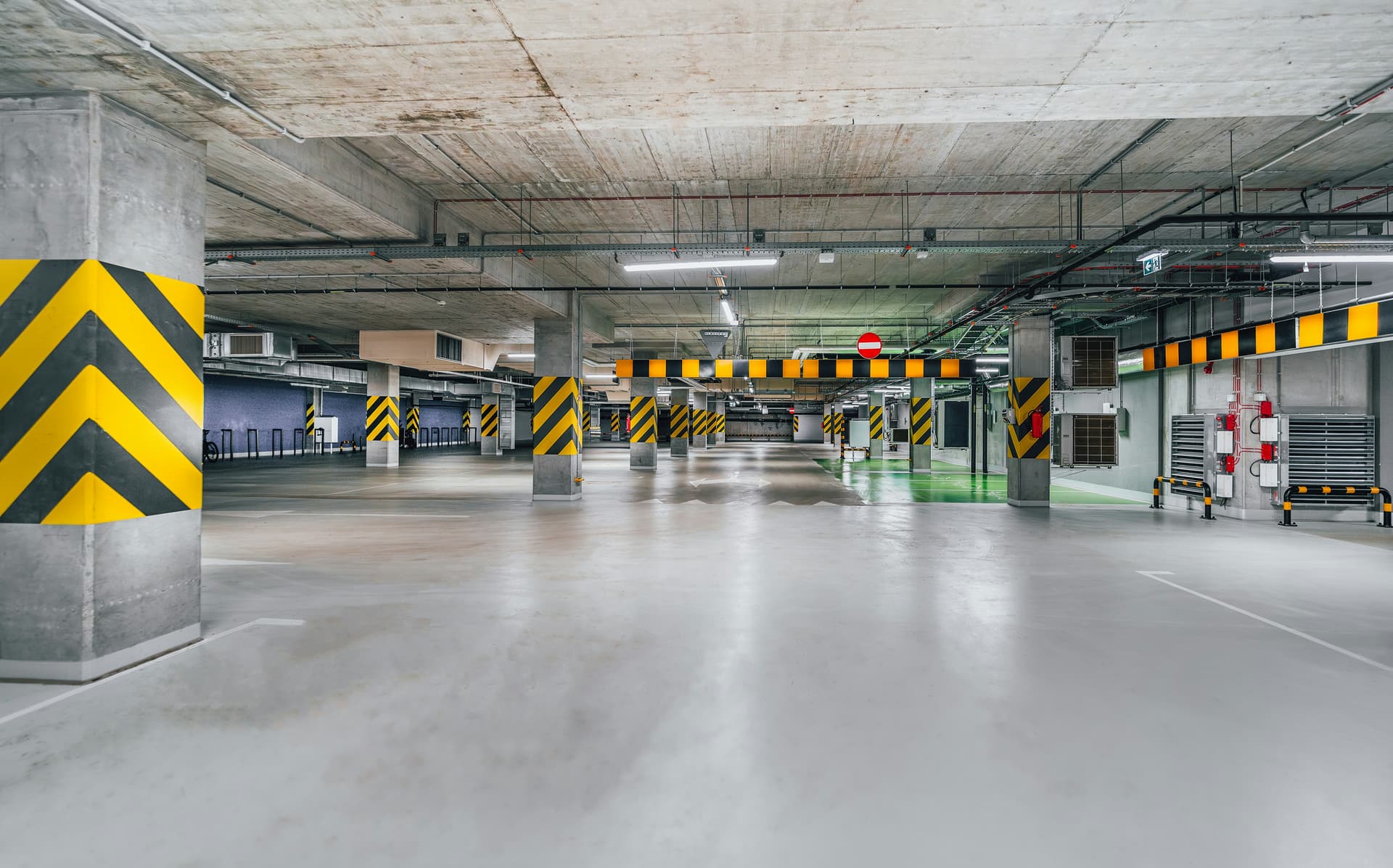
Commercial parking structure — sealed grey epoxy with chevron safety markings
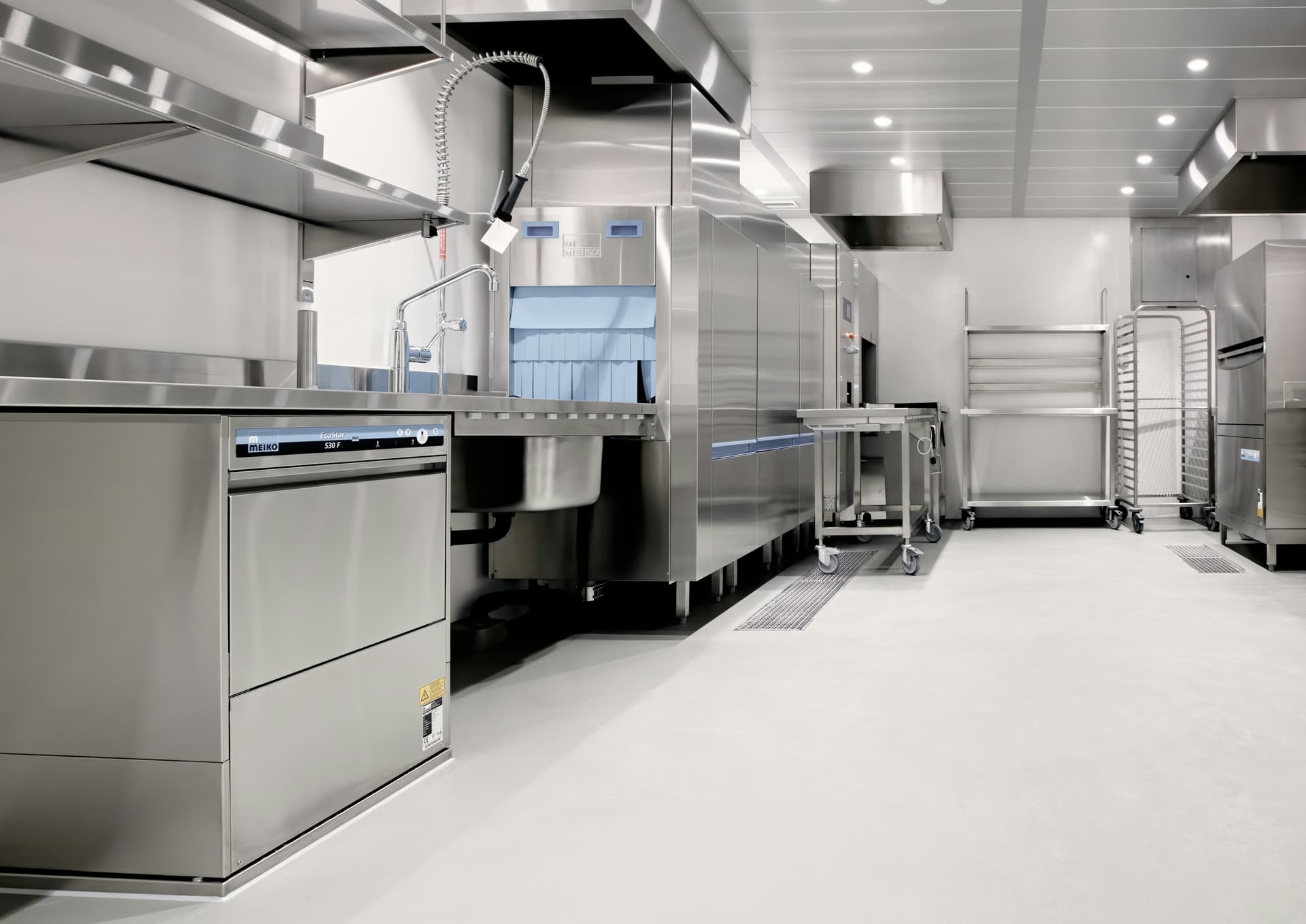
Professional kitchen with seamless grey epoxy floor coating
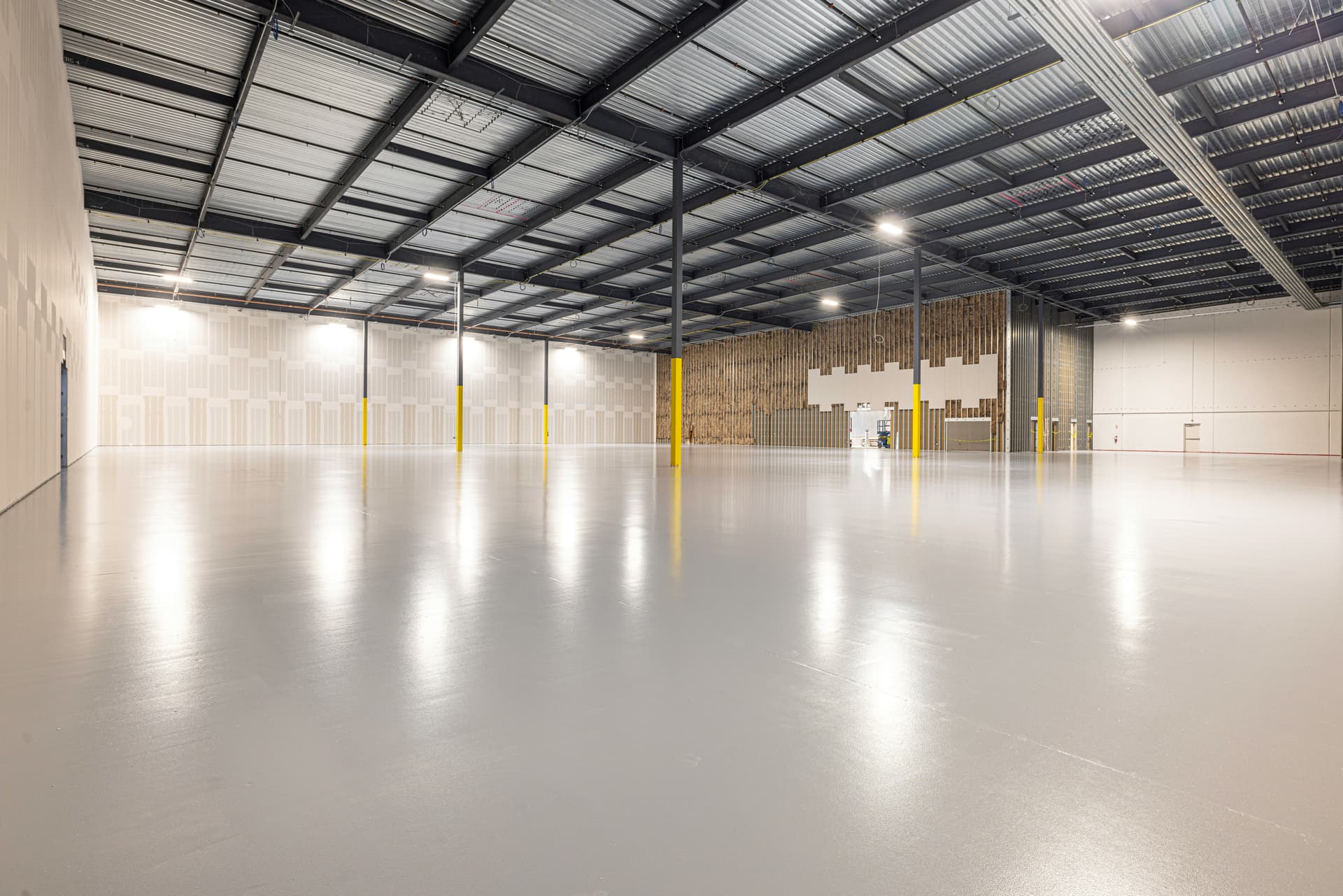
Industrial warehouse — bright white polyaspartic epoxy floor
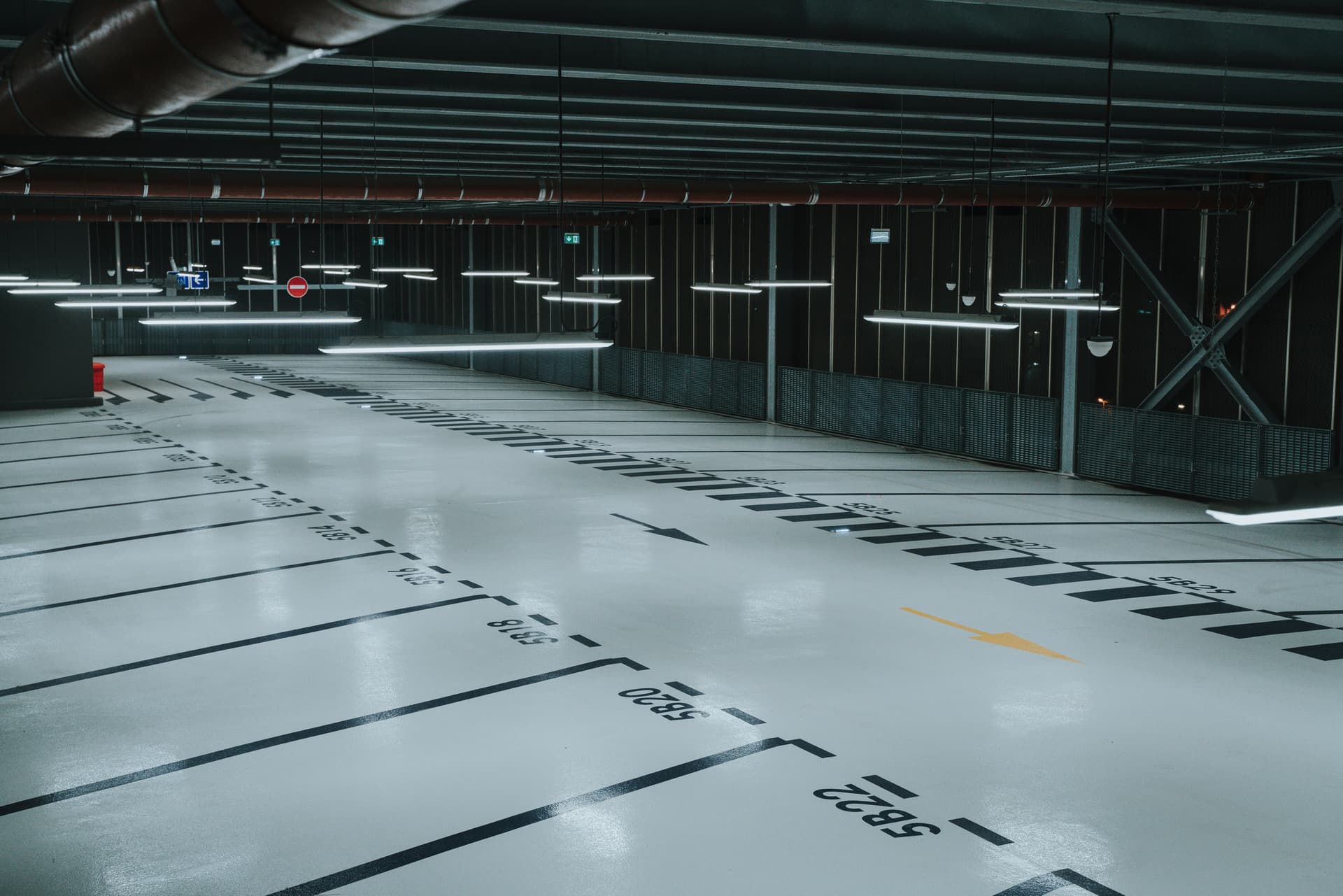
Parking structure with grey epoxy and dramatic pendant lighting
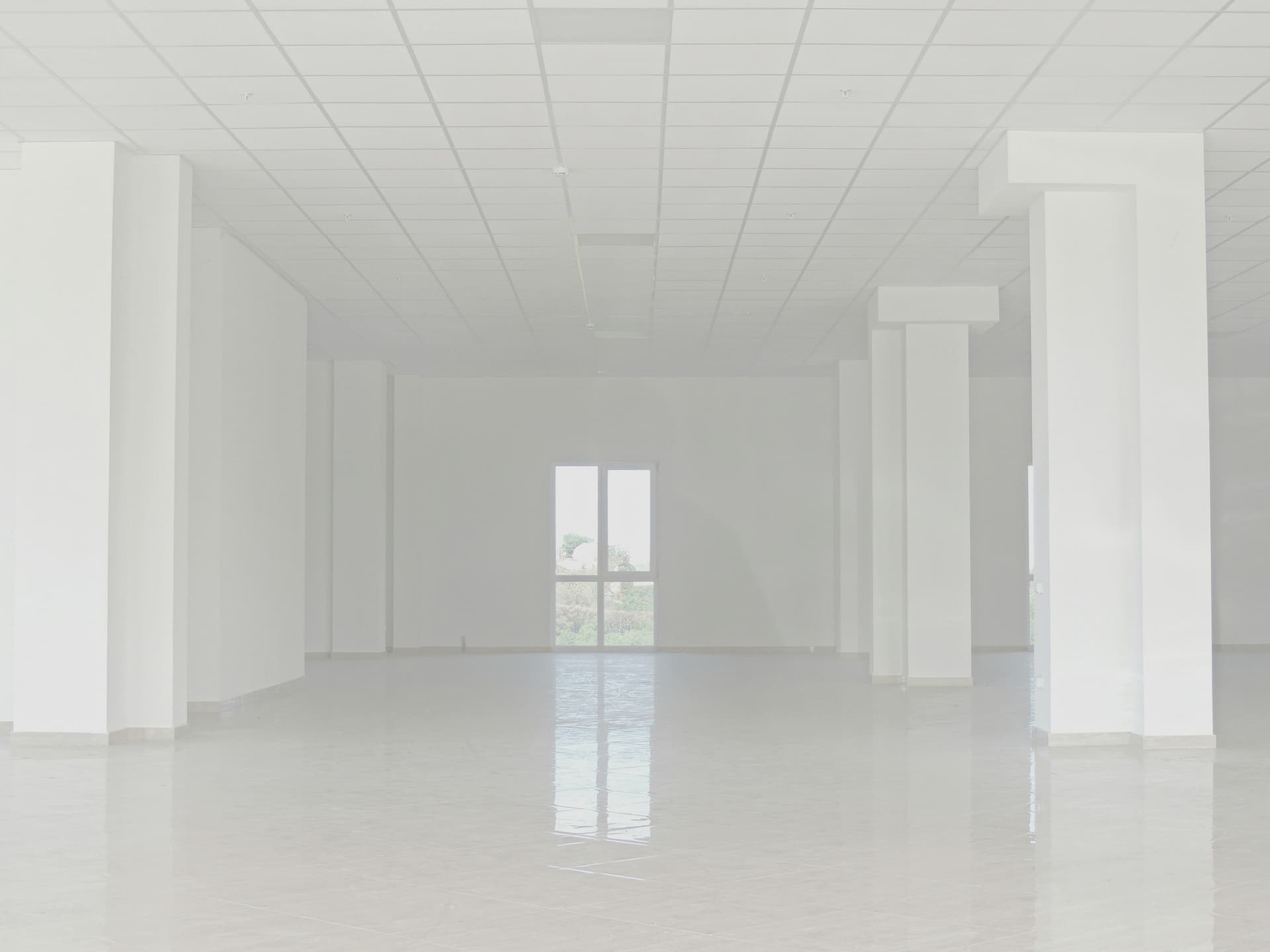
Large commercial space with highly polished epoxy floor
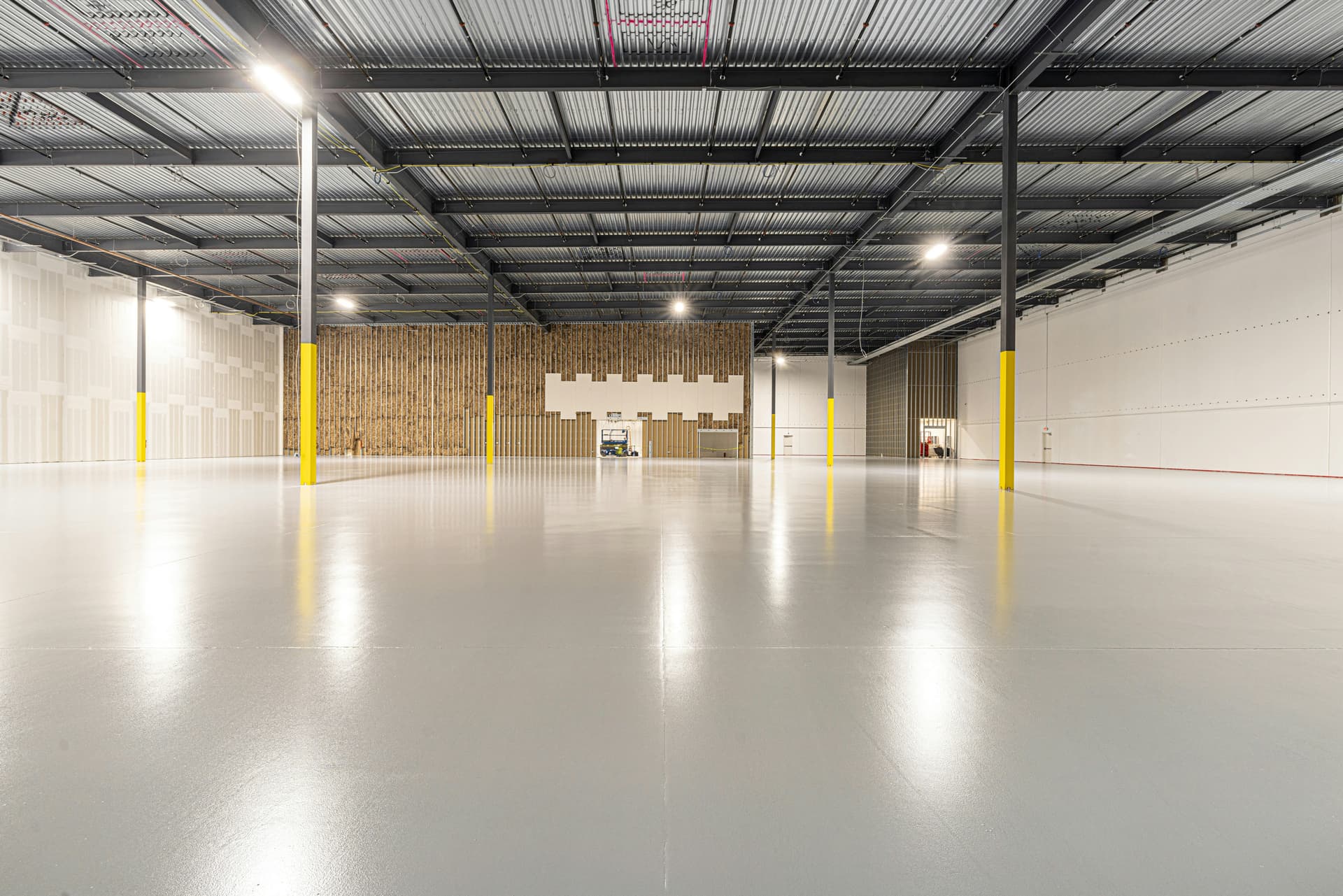
Distribution centre with seamless grey polyaspartic floor system
Concrete Repair Charlotte Questions
Can cracked concrete be coated with epoxy in Charlotte?
Yes — most cracked Charlotte garage floors can be successfully coated after proper repair. Hairline and surface cracks are filled with semi-rigid polyurea or epoxy filler before diamond grinding and coating. The filler flexes with the concrete during Charlotte's seasonal temperature changes, preventing re-cracking at the repair site.
How much does concrete crack repair cost in Charlotte?
Crack and spall repair is included in the full project quote at Charlotte Epoxy Pro — we don't separate it as a line item that gets added after the job starts. The assessment identifies repair scope and the quote covers everything: prep, repair, and coating. Call or submit the estimate form to schedule.
What causes epoxy floors to peel in Charlotte?
The most common causes: skipping diamond grinding (acid etching only creates inadequate surface profile), coating over elevated slab moisture without a mitigation primer, and applying coating over cracked or spalled concrete without repair. Charlotte's clay soil and seasonal temperature swings make prep quality more critical here than in drier climates.
How long does concrete repair take before coating can be applied?
Most crack and spall repairs cure within 4–12 hours — polymer mortar and polyurea fillers are fast-setting. Moisture-mitigation primer typically requires 8–12 hours before the base coat goes down. On a standard garage floor, repair and first coat happen on the same day.